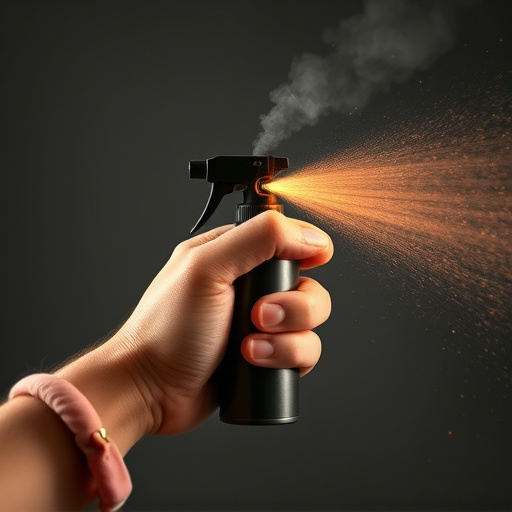
Tactical pepper spray deployment methods require training for safety and accuracy. Users should understand aiming techniques, storage guidelines, and legal implications. Comprehensive training covers activation, safety protocols, risk management, and diverse scenario handling, enabling responsible self-defense with tactical pepper spray while adhering to local laws.
“Staying safe in unpredictable situations requires knowledge and preparation. This guide explores pepper spray as a self-defense weapon, delving into its fundamentals, handling, and tactical deployment methods. Learn about safe storage practices and legal considerations to ensure responsible use. Discover effective training techniques for pepper spray self-defense, empowering you with the skills to protect yourself confidently. Explore the art of tactical pepper spray deployment methods for maximum effectiveness in potential threats.”
- Understanding Pepper Spray Fundamentals
- Safe Handling and Storage Practices
- Tactical Deployment Techniques
- Legal Considerations for Self-Defense
- Effective Training for Responsible Use
Understanding Pepper Spray Fundamentals
Pepper spray, a powerful self-defense tool, has become an indispensable asset for individuals seeking personal safety. Understanding its fundamentals is crucial before deployment. Tactical pepper spray is designed to disrupt an attacker’s vision and breathing, providing time for escape or assistance. The active ingredient, capsaicin, stimulates nerve endings in the eyes and respiratory system, causing temporary incapacitation.
Effective deployment methods vary based on the situation and user preference. Common techniques include aiming for the face, specifically the eyes and nose, or using a spray-and-run strategy to disable an attacker at a distance. Training is essential to ensure accurate and safe usage, as improper handling can lead to accidental discharge or exposure to the user. Knowing your tactical pepper spray deployment methods empowers you to respond effectively in potentially life-threatening scenarios.
Safe Handling and Storage Practices
Proper handling and storage of tactical pepper spray is paramount for ensuring its effectiveness and safety. Always keep it in a secure, dedicated case that complies with local laws regarding transport and storage of self-defense weapons. Store the spray in a cool, dry place away from direct sunlight and extreme temperatures. Never leave it unlocked or unsecured, as children, pets, or unauthorized individuals could access it.
When deploying tactical pepper spray, follow recommended safety protocols and training. Aim for the eyes and face, as these areas are highly sensitive to capsaicin. Keep a safe distance, typically around 2-3 feet, to minimize cross-contamination and ensure your own protection. After use, clean and store the device properly, following manufacturer guidelines, to maintain its functionality and longevity.
Tactical Deployment Techniques
Tactical pepper spray deployment methods are crucial for effective self-defense, enabling users to incapacitate assailants quickly and safely. The first step involves understanding range and wind conditions; aiming accurately at the eyes and face ensures maximum effectiveness. Training in proper grip and finger technique is essential, allowing for precise control and minimal misfires.
When faced with an attacker, a swift and confident deployment can deter aggression. Practicing different scenarios, such as close-quarters combat or long-range engagements, prepares individuals to respond instinctively under stress. Additionally, learning when and how to deploy pepper spray in conjunction with other self-defense tactics significantly enhances personal safety.
Legal Considerations for Self-Defense
When considering tactical pepper spray as a self-defense tool, it’s crucial to understand the legal implications in your jurisdiction. The use of pepper spray for self-defense is governed by specific laws and regulations that vary widely from region to region. Knowing these rules is essential to avoid legal repercussions.
For instance, some areas have strict guidelines on who can possess pepper spray and where it can be used. Law enforcement officers often have specialized training in tactical pepper spray deployment methods, including the appropriate distance and angle for application. Civilians should familiarize themselves with local laws and seek guidance from legal professionals to ensure they understand their rights and responsibilities when carrying and using pepper spray for self-defense.
Effective Training for Responsible Use
Proper training is paramount when it comes to using tactical pepper spray as a self-defense weapon. It’s not just about knowing how to activate the device; effective training ensures users understand the safety protocols, potential risks, and responsible use. This includes learning different deployment methods suitable for various situations, such as quick-draw techniques, aerosol management, and safe distance maintenance.
Instructors should also cover de-escalation tactics, helping individuals recognize when to employ pepper spray and when other measures might be more appropriate. Regular practice sessions, both live-fire and simulated, are crucial in developing muscle memory for tactical deployment while maintaining a calm mindset under pressure.
Incorporating tactical pepper spray deployment methods into your self-defense arsenal can significantly enhance personal safety. However, responsible use necessitates understanding fundamental principles, adhering to safe handling and storage practices, and undergoing effective training. By combining these measures with legal considerations for self-defense, individuals can leverage pepper spray as a powerful tool to protect themselves while navigating potential threats.