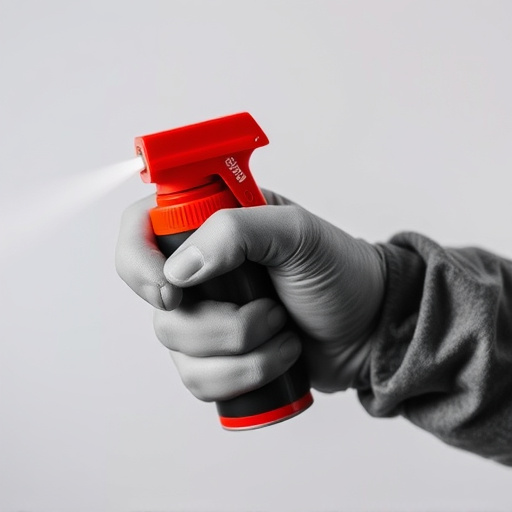
Tactical pepper spray deployment methods rely on targeting sensory systems with capsaicin, causing temporary disorientation. Targeted area coverage and tiered concentrations minimize harm while subduing individuals in crowd control or aggressive behavior scenarios. Comprehensive user training, proper storage, disposal, and real-world simulations ensure responsible use within legal frameworks. Proven effective globally in managing unrest and rioting, these methods disrupt and disperse crowds without permanent harm.
“Discover the revolutionary potential of Capsaicin-based inflammatory crowd control spray, a game-changer in tactical operations. This powerful tool leverages the active ingredient capsaicin to disrupt and control crowds effectively. Explore strategic deployment methods for optimal effectiveness, from spatial application techniques to user training protocols. Delve into safety considerations, legal frameworks, and real-world applications, including case studies showcasing its impact. Uncover the key tactics for responsible and efficient tactical pepper spray deployment methods.”
- Understanding Capsaicin: The Active Ingredient
- Tactical Deployment Strategies for Optimal Effectiveness
- Safety Considerations and User Training Protocols
- Legal Implications and Regulatory Frameworks
- Real-World Applications and Case Studies
Understanding Capsaicin: The Active Ingredient
Capsaicin, the active ingredient in tactical pepper spray, is a natural compound derived from chili peppers. It’s what gives spicy foods their heat and sting. When deployed as a crowd control measure, capsaicin causes a range of physiological reactions in the human body, primarily targeting the eyes, nose, and respiratory system. This leads to temporary disorientation, reduced visibility, and difficulty breathing, effectively subduing individuals without causing permanent harm.
Understanding how capsaicin interacts with the body’s sensory systems is key to effective tactical pepper spray deployment methods. The compound binds to specific receptors in the eyes and nasal passages, initiating a cascade of events that include intense itching, tears, and sneezing. These reactions can rapidly incapacitate individuals, providing critical time for law enforcement or security personnel to control crowds or subdue aggressive behavior.
Tactical Deployment Strategies for Optimal Effectiveness
For optimal effectiveness, tactical pepper spray deployment methods must be carefully considered and executed. One crucial strategy involves targeting specific areas of the crowd, such as eyes, face, and respiratory system, to cause immediate disorientation and incapacitation. This can be achieved through strategic spraying techniques, ensuring the chemical reaches the intended targets without causing collateral damage.
Additionally, the timing and coordination of deployments are essential. Law enforcement agencies often employ a tiered approach, using lower concentrations initially to deter without severe impact, followed by higher-strength spray for resistant individuals. Proper training ensures officers can swiftly deploy these tactics, maintaining crowd control while minimizing harm and ensuring public safety.
Safety Considerations and User Training Protocols
The safe handling and deployment of capsaicin-based inflammatory crowd control spray, often referred to as tactical pepper spray, is paramount. Before employing any such agent, comprehensive user training is essential. This includes familiarization with various tactical pepper spray deployment methods, ensuring proper protective gear is worn, and understanding the spray’s effects on different individuals, especially those with pre-existing health conditions.
Training sessions must cover safe storage and disposal practices to mitigate environmental impact. Users should be drilled in scenarios that mimic real-world crowd control situations, emphasizing responsible use and de-escalation techniques. Regular refreshers are crucial to keep personnel prepared and adept at employing these powerful tools effectively while minimizing risks to bystanders and officers alike.
Legal Implications and Regulatory Frameworks
The deployment of capsaicin-based inflammatory crowd control sprays, often referred to as tactical pepper spray, comes with a host of legal implications and is subject to stringent regulatory frameworks worldwide. These regulations vary significantly from one jurisdiction to another, reflecting differing societal values, historical precedents, and interpretations of human rights. For instance, some countries have strict controls on the use of such agents, limiting their application primarily to law enforcement in life-threatening situations, while others permit broader deployment for crowd management during public events or civil unrest.
Understanding the legal landscape surrounding tactical pepper spray is crucial for both manufacturers and end users. Manufacturers must ensure compliance with local, national, and international standards, including guidelines on product formulation, labeling, and safety testing. End users, particularly law enforcement agencies, are required to adhere to specific protocols for deployment, aiming to minimize off-target effects and protect civilians from unnecessary harm. The misuse or abuse of these agents can lead to severe legal repercussions, including civil lawsuits for excessive force and criminal charges for endangering public safety. Thus, the tactical pepper spray deployment methods must be carefully considered within the broader context of existing laws and regulations.
Real-World Applications and Case Studies
In real-world scenarios, tactical pepper spray, or capsaicin-based inflammatory crowd control sprays, have proven to be valuable tools for law enforcement and security personnel. These deployment methods offer a non-lethal solution for managing unrest, rioting, or high-risk situations where rapid de-escalation is crucial. For instance, in crowded public spaces like city centers or during large-scale events, a strategic spray can effectively disrupt and disperse crowds without causing permanent harm.
Case studies from various countries demonstrate the success of capsaicin spray in mitigating civil disturbances. For example, during protests where violence and property damage were concerns, tactical teams employed pepper spray to successfully control the crowd, allowing for safer resolution of the situation. The quick-acting nature of capsaicin ensures that subjects experience a temporary yet powerful deterrent, enabling authorities to maintain order efficiently while minimizing physical injuries among both officers and civilians.
Capsaicin-based inflammatory crowd control spray, while a powerful tool for tactical deployment methods, necessitates careful consideration of safety, legal frameworks, and user training. Effective deployment strategies, as discussed, ensure optimal effectiveness without causing long-term harm. As the use of such agents becomes more prevalent, ongoing research and responsible practices are crucial to balance public safety with civil liberties. Understanding the unique properties of capsaicin and adhering to established protocols can make this technology a valuable addition to crowd control measures while mitigating potential risks. Tactical pepper spray deployment methods, when employed thoughtfully, offer a promising solution for law enforcement and security professionals.